
You know how every time you’re watching something intense on Netflix, the lights decide to go out? Or when you’re halfway through making rotis, and the fan just stops spinning like it’s given up on life? Yeah, that’s India’s love-hate relationship with electricity. And it’s the reason why power backup solutions for home India are not just some fancy purchase — they’re survival gear.
When I was younger, power cuts meant family time. Candles, mosquito coils, and my mom trying to entertain us while the inverter beeped like it was on its last breath. Now though, it’s not so cute — your Wi-Fi drops, the fridge stops, your phone dies, and suddenly, your “work from home” day turns into “sweat from home.”
So yeah, getting reliable power backup has kind of become a non-negotiable thing. But here’s the catch — it’s not just about buying the biggest inverter or the most expensive battery anymore. There are actual smart options now, cleaner ones too. Let’s dive in.
The Problem Isn’t Just Load Shedding, It’s Unpredictability
The issue with Indian electricity isn’t just how often it cuts out — it’s how random it is. One minute you’ve got stable power, and the next, boom, it’s gone. And depending on which part of India you’re in, this can happen once a week or multiple times a day.
Take places like Bihar, Uttar Pradesh, or rural Maharashtra — power cuts can last for hours. On the other hand, metro cities aren’t immune either. Delhi summers are famous for frying transformers like samosas.
Now, this unpredictability means your backup solution needs to be more than just a temporary fix. It should actually make life smoother — not one of those setups where the inverter itself gives up after 20 minutes because you dared to turn on a fan and a light at the same time.
Types of Power Backup Options People Actually Use
If you ask around on Reddit or even check Twitter threads, you’ll see people have strong opinions about this stuff. Some swear by inverters, some by solar, and then there are those who’ll say, “Just get a generator, bro.” But the truth depends on your usage, your patience level, and how eco-conscious you are.
Inverters are still the most common in Indian homes — they’re relatively affordable, simple to install, and work fine for basic needs. The downside? If you’re running a high-load appliance (say, AC or refrigerator), your battery will drain faster than your phone at 1% on Instagram Reels.
Solar power backup is becoming pretty popular now, especially with increasing electricity costs and that small guilt of harming the planet. A lot of homeowners are switching to hybrid solar systems — these charge your batteries using both solar panels and the grid, so you’re covered either way. The upfront cost is higher, but the long-term savings and zero dependency on flaky electricity are worth it.
And then you’ve got portable power stations — they’re like the “power banks” of the house backup world. You plug them in, charge them, and when the lights go, they quietly keep your essentials alive. Pretty cool if you’re living in an apartment or don’t want the full inverter-battery setup.
Why People Are Talking About Smart Backups Now
There’s this shift happening — people don’t just want something that gives power; they want something smart. Devices that can optimize energy use, connect to Wi-Fi, even send you alerts on your phone about battery levels. Because honestly, nobody wants to be guessing how long the fan will last during a two-hour blackout.
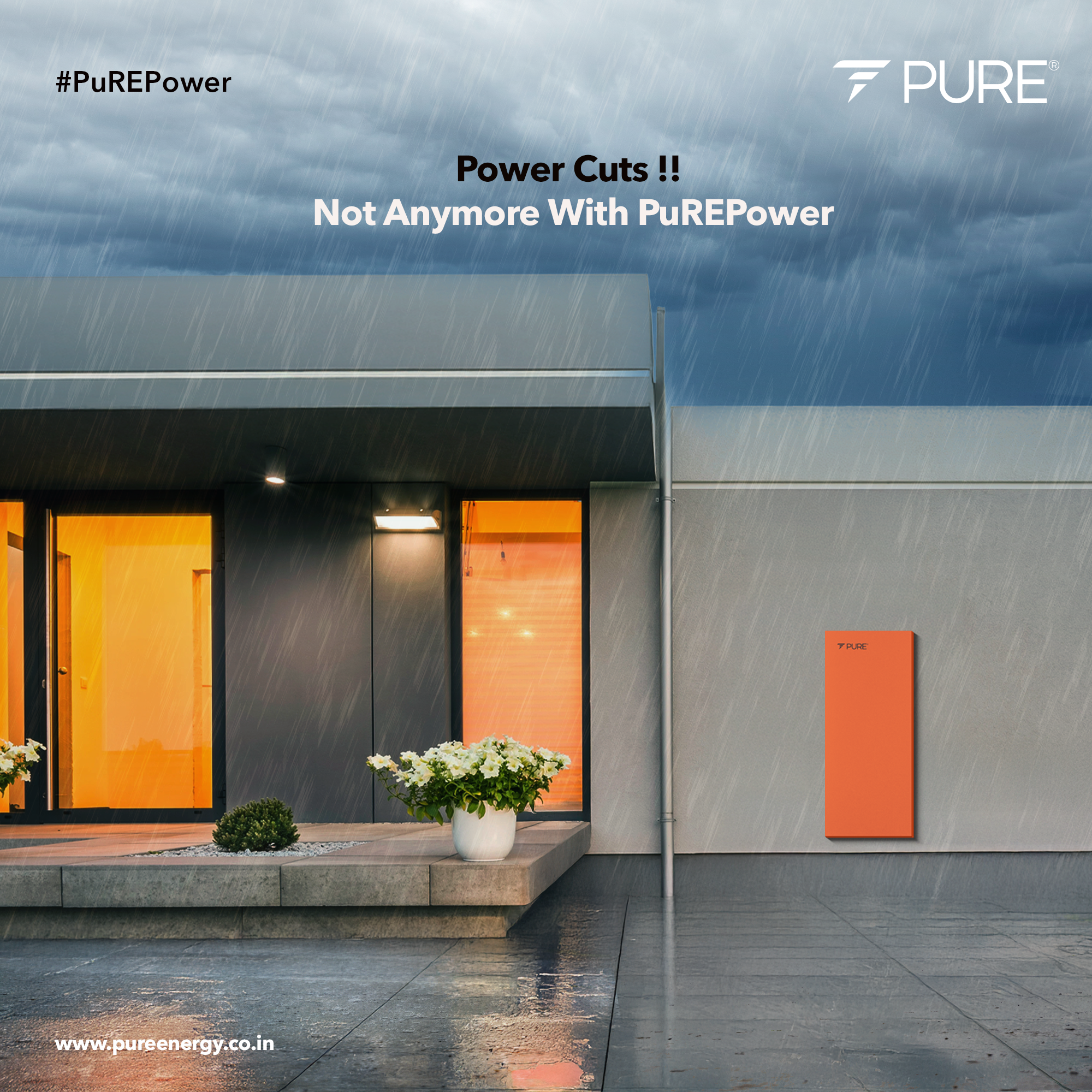
Companies like Pure Energy are making some noise in this area, building power backup solutions for home India that are both eco-friendly and reliable. They focus a lot on lithium batteries, which, compared to the old lead-acid ones, last longer, charge faster, and don’t demand maintenance every other month. Think of it like upgrading from a Nokia 1100 to a smartphone — still does the job, just way better.
The Social Side — Everyone’s an Expert Now
If you ever go through Indian tech or housing groups on Facebook, everyone’s got their own story. “This inverter brand is trash.” “My solar panel setup survived a thunderstorm.” “Bro, just buy a UPS; it’s enough.”
The interesting thing is, more and more people are seeing backup power as a home investment rather than an emergency product. Like how you buy an RO system or a decent Wi-Fi router — you just need it. Some even go a step further and integrate smart home systems that automatically switch power modes during outages.
Small Stats That Might Surprise You
According to some energy market surveys, India’s residential power backup market is growing at around 8–10% annually. A huge chunk of that is moving toward solar and lithium-based tech. Interestingly, Tier-2 and Tier-3 cities are adopting these solutions faster than metros, probably because they face longer outages.
And there’s a fun little stat — almost 60% of new homeowners in India now plan their backup systems during construction, not as an afterthought. That’s a big shift from the old “we’ll buy an inverter later if needed” mindset.
My Take — Practical Over Perfect
Honestly, if you’re someone who just wants a basic solution, an inverter-battery combo from a trusted brand will do fine. But if you’re planning for the long run, go for something smarter, like a solar hybrid or lithium setup. It’s like choosing between renting a fan or buying an AC — one keeps you okay, the other actually keeps you comfortable.